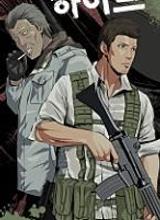
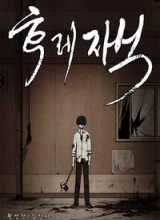
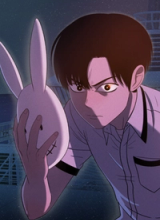
Lonely and bored with his life, Duk-Bong chases fleeting thrills until a reckless prank changes everything. After stealing a company flash drive from a friend, he discovers it contains a horrifying secret tied to one of Korea’s richest tycoons. The information nearly gets him killed—only for the same flash drive to end up in the hands of a sadistic young streamer. But against all logic, Duk-Bong doesn’t panic. He’s alive, after all, and as long as he’s breathing, he believes there’s still happiness to be found. In a world obsessed with secrets, spectacle, and suffering, survival itself becomes a twisted victory.
Happy House thrives on contradiction. Duk-Bong isn’t brave, righteous, or even particularly smart—he’s impulsive, detached, and disturbingly optimistic in the face of danger. That’s what makes the story so uncomfortable.
The series skewers modern obsession with scandal and entertainment, especially when human lives become content. The presence of a sadistic streamer reframes crime as performance, forcing readers to confront how easily morality erodes when suffering is monetized.
This webtoon is ideal for readers who enjoy dark psychological stories, social satire, and morally warped protagonists. Happy House doesn’t promise safety—it promises survival, and asks whether that’s enough.